A condition that is present from birth, pectus excavatum refers to the abnormal development of the breastbone. This causes an indentation of the chest wall. Over time, the condition can negatively impact heart and lung function, hence the need for appropriate medical treatment.

Image credit: www.mayoclinic.org
More commonly found in males than females, pectus excavatum is a congenital condition characterised by the abnormal inward growth of the breastbone (sternum), resulting in a sunken appearance of the chest wall. Due to its appearance, the condition is often referred to as “sunken chest” or “funnel chest.”
Although this condition typically exists from birth, it often becomes noticeable only after an individual experiences a growth spurt during puberty. Because of the unusual development of the breastbone, those with pectus excavatum may experience limited heart and lung function. As a result, medical treatment is often necessary to restore optimal function.
Treatment generally includes non-surgical methods for mild cases and surgery for more severe cases. Today, a minimally invasive surgical technique is a readily available option for individuals with pectus excavatum when appropriate.

Patients with pectus excavatum MAY experience functional issues such as:
In addition to the physical symptoms, those with this condition may also find themselves struggling with self-esteem issues stemming from their chest’s appearance. In more severe cases, the stress and embarrassment from their state could lead to clinical depression.
The exact cause of pectus excavatum remains unknown. While some experts suspect a connection to possible tissue diseases such as Marfan syndrome, others suggest a possible link to genetics.
Pectus excavatum can generally be diagnosed through a simple physical examination once the condition is noticeable enough, which usually occurs during the teenage years. However, for a doctor to determine the extent to which pectus excavatum affects nearby organs, further tests may be required, such as:
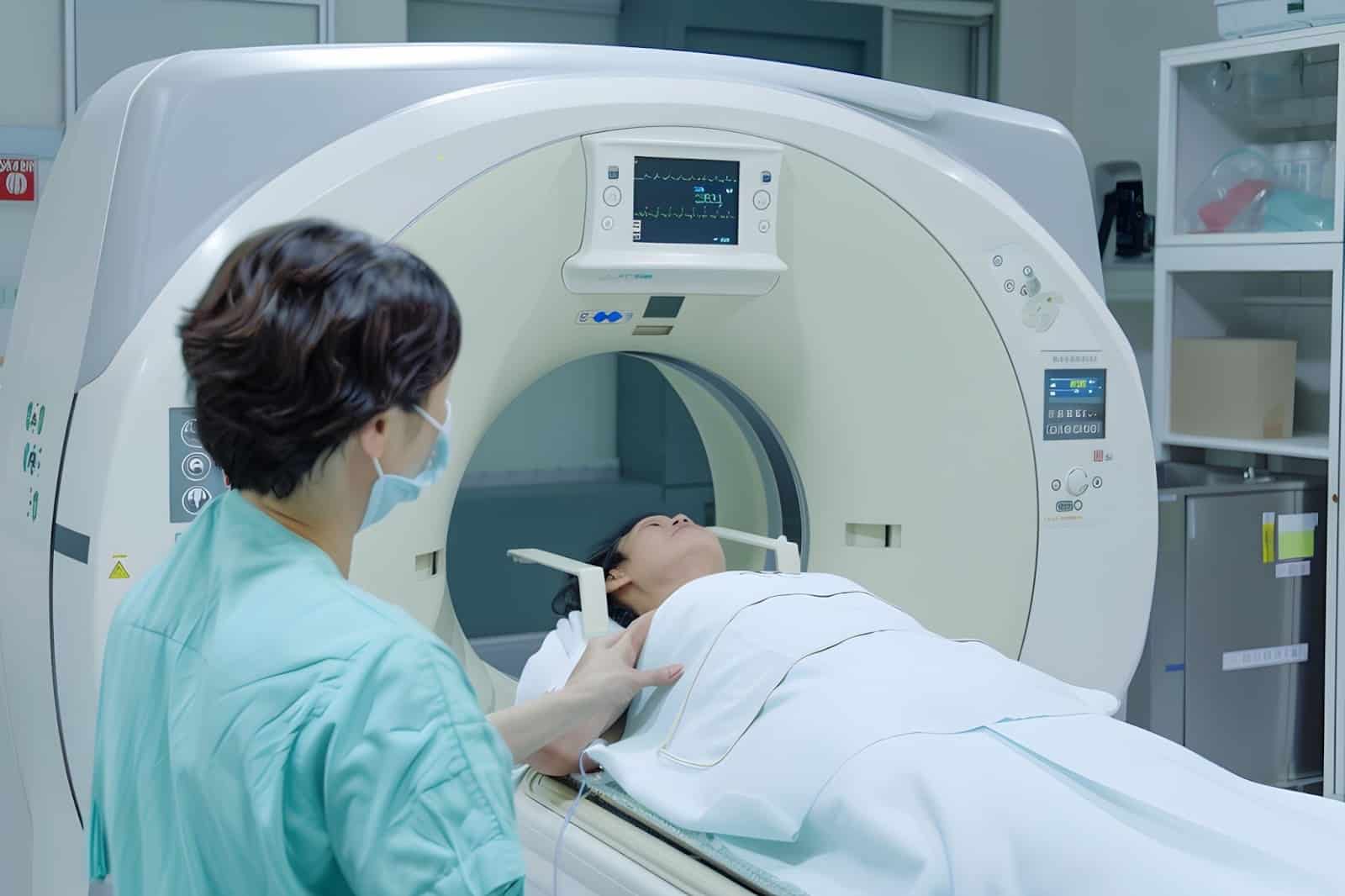
Imaging tests such as chest X-ray, computed tomography (CT) scan with 3D reconstruction, or magnetic resonance imaging (MRI).
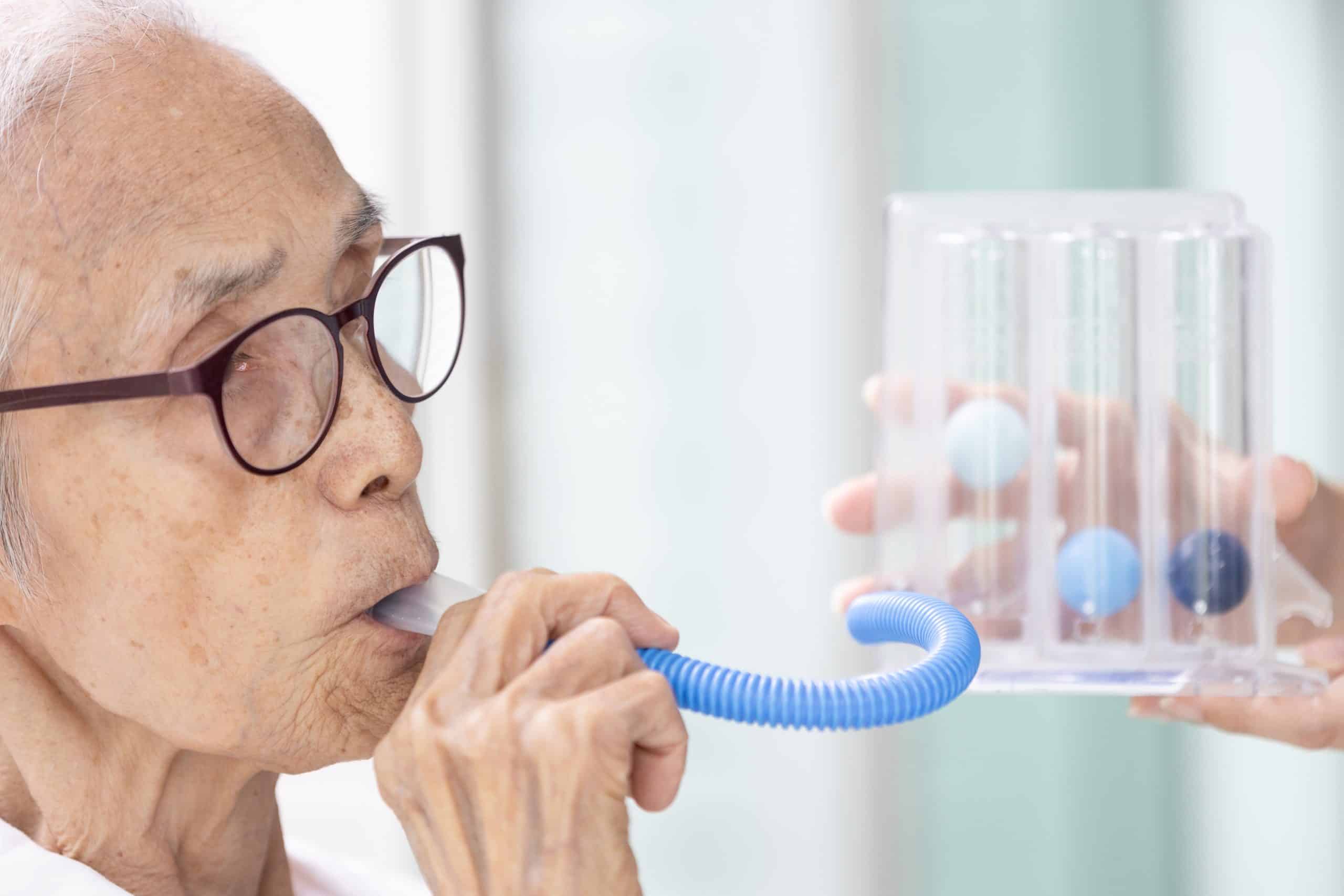
Lung function test, such as pulmonary function tests (PFTs)

Heart function tests, such as an electrocardiogram (EKG) or an echocardiogram

Exercise Function Test
Based on the above, a cardiothoracic specialist can determine the severity of a patient’s condition. Typically, a severity assessment called the Haller Index is used to classify a patient’s case as mild, moderate, or severe based on their imaging test results. Specifically, the index is used to categorise the degree of depression based on the imaging results.
Treatment of pectus excavatum can vary depending on the severity of the patient’s condition. For milder cases, the condition can be managed through physical therapy and medical devices. In more serious cases, surgical intervention may be more beneficial.
In mild cases, patients may be encouraged to undergo physical therapy or posture. These activities aim to increase the space in the chest area that may allow the heart and lungs to function better.
Alternatively, vacuum bell therapy may be an option for younger children to improve the position of the breastbone. A cup-shaped device is used to gently pull the breastbone forward to create more space in the chest wall. To ensure its effectiveness, the device needs to be used for several hours a day for 12 to 15 months.
For patients with serious physical symptoms, surgery may be necessary to alleviate them. This may include a minimally invasive surgery or a traditional open surgery. Depending on your condition, your cardiothoracic surgeon will be able to advise the appropriate treatment option.
Patients who undergo surgery are generally satisfied with their improved symptoms and chest appearance and are able to make a full recovery in several months. For optimal outcomes, surgery is usually recommended for patients between 10 and 14 years of age, when the chest wall is still flexible.
As with any procedure, rare but possible complications can happen, such as bleeding, infection, or injury to surrounding structures. Therefore, patients are highly encouraged to seek out experienced cardiothoracic surgeons to mitigate their chances.
In cases of an untreated sunken chest, patients may experience progressively worsening symptoms that affect their quality of life. These may include:

If not detected at birth, you may start to notice the above symptoms as the chest continues to sink. This may prompt an initial visit to a specialist who can provide an accurate diagnosis and work out a proper treatment plan with you. Ideally, you will need to undergo regular checks to monitor the progression of your symptoms and determine when surgery may be needed if they worsen.
In Singapore, you can schedule a consultation with Dr Aneez D.B. Ahmed, Medical Director and Senior Consultant Thoracic Surgeon, at the International Centre for Thoracic Surgery (ICTS). With over 2 decades of experience, Dr Aneez is experienced in handling complex thoracic surgeries, including a sunken chest (pectus excavatum) surgery.
Pectus excavatum is not always dangerous. However, those with a severely sunken chest may experience serious symptoms.
Yes, there are exercises ranging from deep breathing techniques to posture therapy, and more to expand the chest wall and prevent further indentation.
Depending on the type of surgery, a pectus excavatum usually takes several hours to complete.
References


Member of Beyond Medical Group
Copyright © 2026 International Centre For Thoracic Surgery. All rights reserved | Terms & Conditions.


